Living alongside the tiger
The Sundarbans, the largest mangrove forest in the world, is home to the Bengal tiger and to millions of people. Many families depend on fishing, crab collection and honey gathering inside the forest, and every trip carries the risk of a tiger attack.
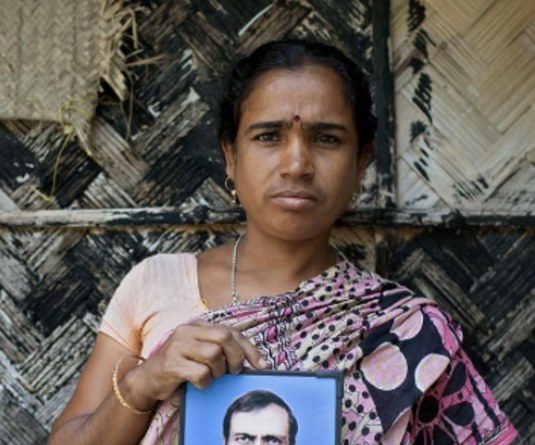
When a man is killed by a tiger, his wife becomes a Bagh Bidhoba, a “tiger widow.” Along with the loss of her husband, she often loses the family’s only income.
Grief, stigma and exclusion
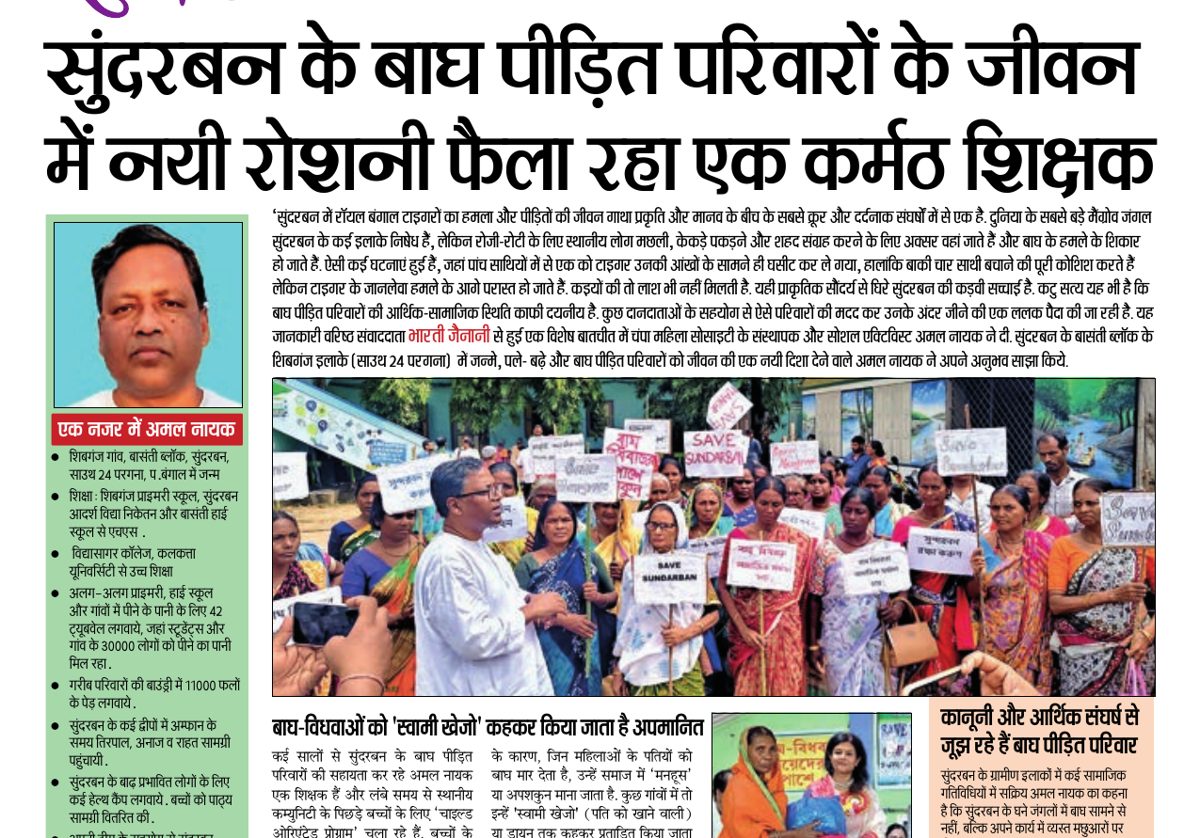
In many villages, a death by tiger is seen as a sign that the forest deity has turned away from the family. The widow may be blamed for her husband’s death and considered unlucky. Tiger widows are often excluded from community life and religious ceremonies, find it hard to get work, and are left to raise their children alone, sometimes without support from their own relatives.
Because many attacks happen in protected forest areas where entry may not be legally permitted, families frequently receive no compensation.
How CMS helps
- Support for families affected by tiger attacks
- Assistance to vulnerable women and their children, including help to keep children in school
- Community-based support for families facing extreme hardship
- Awareness work to reduce stigma and bring tiger widows back into community life